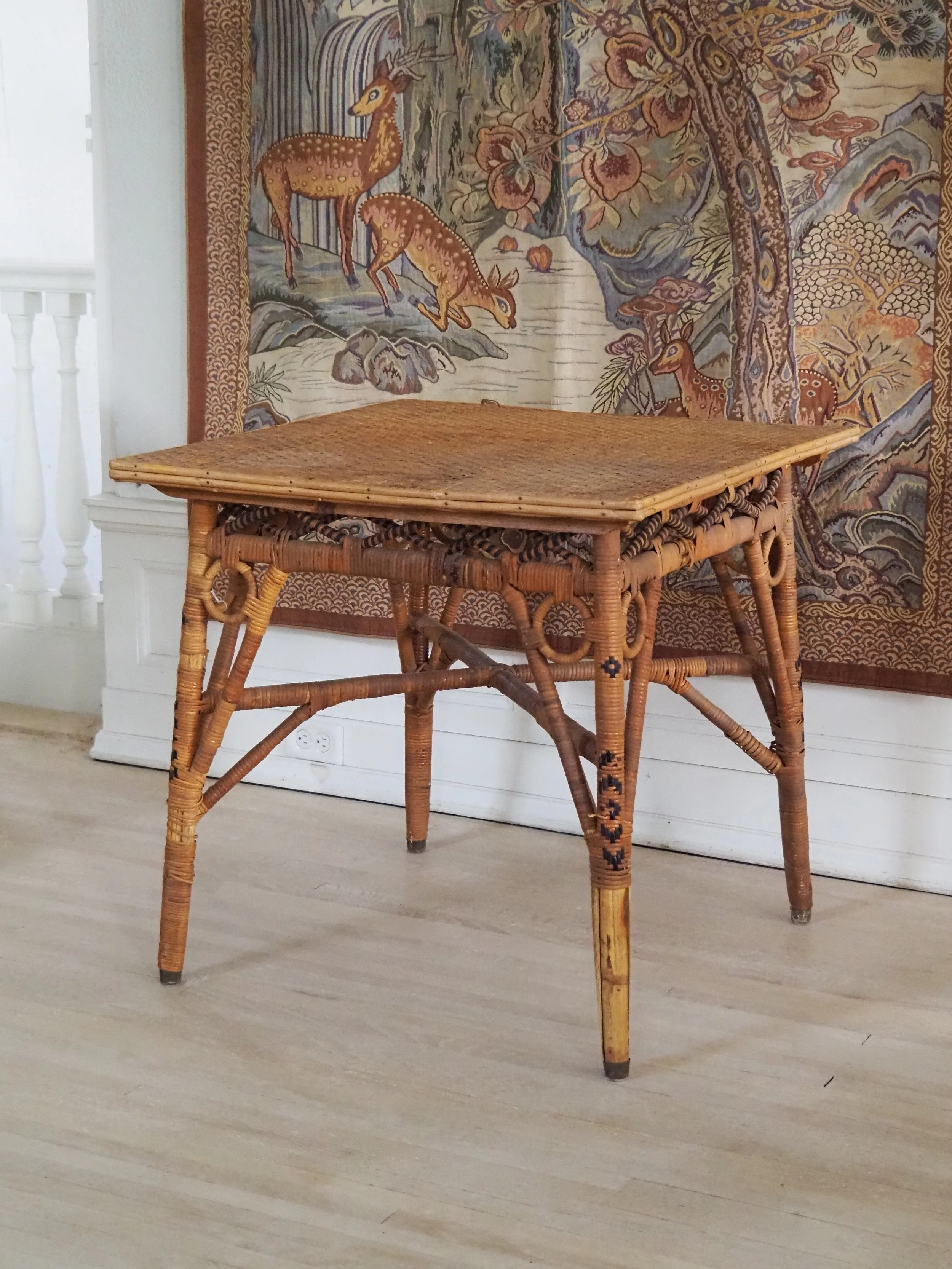

I’ve always been drawn to pieces with a story, and nothing tells a tale quite like an old wicker table. There’s something about its weathered texture and intricate weave that feels both nostalgic and timeless. A few years ago, I inherited one from my grandmother, and it quickly became the centerpiece of my sunroom. But as charming as it was, it wasn’t without its quirks. Over time, I’ve learned how to care for it, restore it, and even style it in ways that highlight its unique character. Whether you’ve stumbled upon one at a flea market or inherited a family heirloom, an old wicker table can be a versatile addition to your home—if you know how to handle it.
Understanding the Appeal of an Old Wicker Table
Wicker furniture has been around for centuries, and its enduring popularity isn’t hard to understand. The natural, organic look of wicker adds warmth and texture to any space. An old wicker table, in particular, carries a sense of history that newer pieces can’t replicate. In my experience, it’s the imperfections—the slight fraying, the subtle discoloration—that make it so captivating. That said, not all wicker is created equal. Older pieces are often made from rattan, a durable and flexible material, while newer ones might use synthetic alternatives. Knowing the difference can help you appreciate—and care for—your table better.
Common Challenges with Old Wicker Tables
As much as I love my old wicker table, it’s not without its challenges. Over time, wicker can become brittle, leading to cracks or breaks. Dust tends to settle in the weave, making cleaning a bit of a chore. And if the table has been exposed to moisture, you might notice mold or mildew. Here’s the thing: these issues aren’t dealbreakers, but they do require attention. Ignoring them can lead to irreversible damage. For instance, I once left my table on a damp porch for a week, and it developed a musty smell that took weeks to eliminate. Lesson learned: prevention is key.
Cleaning and Maintenance Basics
Keeping an old wicker table in good condition starts with regular cleaning. I’ve found that a soft brush or vacuum attachment works wonders for removing dust from the weave. For deeper cleaning, a mild soap solution and a damp cloth can tackle stains without damaging the material. Just be sure to dry it thoroughly afterward—moisture is wicker’s worst enemy. Pro tip: Apply a coat of clear sealant or furniture wax once a year to protect the surface and maintain its luster.
Repairing Minor Damage
If your table has a few loose strands or small cracks, don’t panic. Minor repairs are easier than you might think. I’ve used wood glue to reattach loose pieces and sandpaper to smooth out rough edges. For more significant damage, like a broken leg, you might need to consult a professional. Honestly, it’s worth the investment to preserve the piece’s integrity. One time, I tried to fix a cracked leg myself and ended up making it worse—a mistake I won’t repeat.
Styling Your Old Wicker Table
Now, let’s talk about the fun part: styling. An old wicker table is incredibly versatile and can fit into almost any decor style. In my sunroom, I’ve paired it with plush cushions and potted plants for a cozy, bohemian vibe. In a more formal setting, it can hold its own with elegant tableware and a centerpiece. The key is to let the table’s natural charm shine while complementing it with thoughtful accessories. This is where it gets interesting: the contrast between the rustic wicker and sleek, modern accents can create a striking visual effect.
Indoor vs. Outdoor Use
While wicker is often associated with outdoor spaces, an old wicker table can work just as well indoors. The difference lies in how you care for it. Outdoor tables need more protection from the elements—think waterproof covers and regular sealing. Indoor tables, on the other hand, benefit from a stable environment and less exposure to sunlight. Here’s a quick comparison:
| Indoor Use | Outdoor Use |
|---|---|
| Less maintenance required | Needs regular sealing and covering |
| Protected from weather damage | Exposed to sun, rain, and humidity |
| Can be styled with delicate accessories | Best paired with durable, weather-resistant decor |
When to Restore vs. Replace
At some point, you might find yourself wondering whether it’s worth restoring your old wicker table or replacing it altogether. In my experience, it depends on the extent of the damage and the table’s sentimental value. If the structure is sound and the damage is cosmetic, restoration is usually the way to go. But if the table is falling apart and beyond repair, it might be time to let it go. That said, even a damaged table can be repurposed—I’ve seen old wicker tabletops turned into wall art or garden decor.
💡 Note: Before attempting major restoration, assess the table’s condition carefully. Sometimes, what seems like a simple fix can reveal deeper issues.
An old wicker table is more than just a piece of furniture—it’s a conversation starter, a connection to the past, and a testament to craftsmanship. With a little care and creativity, it can become a cherished part of your home. Whether you’re cleaning, repairing, or styling it, the effort you put in will be rewarded with a piece that’s as functional as it is beautiful. So the next time you come across an old wicker table, don’t overlook it. It might just be the perfect addition to your space.
Related Terms:
- Old Wicker Table lamps
- Old Wicker Table chairs
- Old Wicker Table tops
- Old Wicker Table for sale
- old wicker furniture
- Old Wicker Table runner