
I’ve always loved the idea of having a pool table at home, but let’s be honest—finding the space for one can feel like solving a puzzle. That’s where pool table clearance comes into play. It’s not just about measuring the room; it’s about understanding how much space you actually need to play comfortably. When I first set up my table, I thought I had enough room, but after a few games, I realized I was constantly bumping into walls or furniture. That’s when I learned that proper clearance isn’t just a suggestion—it’s essential for enjoying the game. Whether you’re a casual player or a serious enthusiast, getting this right makes all the difference.
What is Pool Table Clearance?
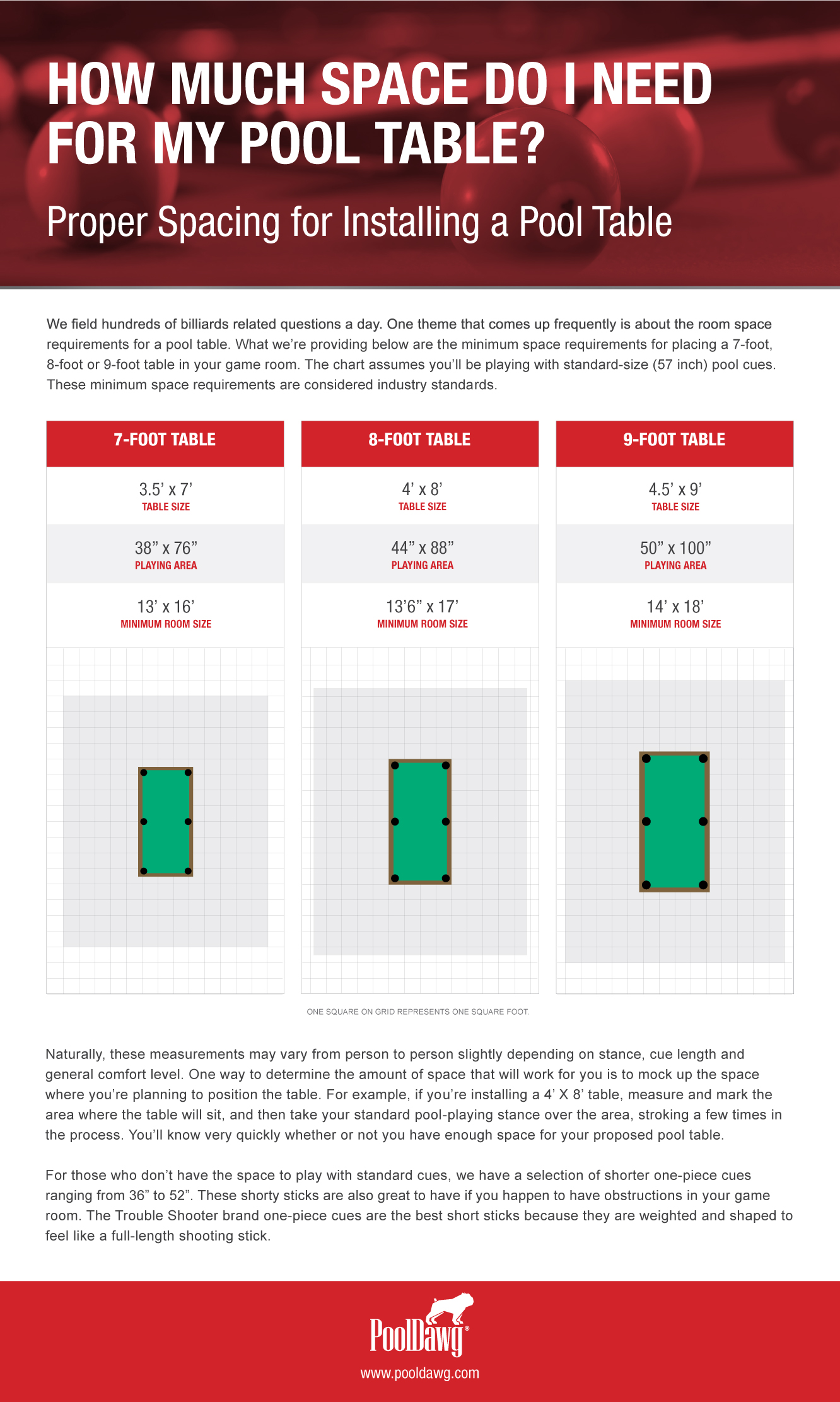
Pool table clearance refers to the amount of space required around a pool table to allow for unrestricted gameplay. It’s not just about fitting the table itself; it’s about ensuring players have enough room to move around, take shots, and handle the cue stick without obstacles. In my experience, the standard clearance is measured from the edge of the table to the nearest wall or furniture. For example, a 4x8-foot table typically needs at least 5 feet of clearance on all sides, but this can vary depending on the size of the table and the length of your cue stick. Ignoring this can lead to frustrating games and even damage to your walls or furniture.
Why Pool Table Clearance Matters
Here’s the thing: pool table clearance isn’t just about aesthetics—it’s about functionality. When I first set up my table, I underestimated how much space I’d need for my longest shots. I ended up with a table that was technically in the room but practically unusable for anything beyond basic play. Proper clearance ensures you can take full-length shots without hitting anything. It also makes the game safer, as players won’t accidentally knock into walls or furniture. Honestly, it’s one of those details that seems minor until you get it wrong.
How to Measure Pool Table Clearance
Measuring for pool table clearance is straightforward but requires attention to detail. Here’s how I did it:
- Determine Table Size: Start by knowing the dimensions of your pool table. A standard 4x8-foot table is the most common, but sizes can vary.
- Add Clearance Space: For a 4x8-foot table, add at least 5 feet of clearance on all sides. This accounts for the cue stick length and player movement.
- Measure the Room: Use a tape measure to check if your room can accommodate both the table and the clearance space. Don’t forget to account for doors, windows, and furniture.
- Test the Space: If possible, mark out the area with tape or chalk to visualize how the table will fit. This helped me see potential issues before committing to the setup.
Common Mistakes to Avoid
When it comes to pool table clearance, there are a few pitfalls I’ve seen people fall into. Here’s what to avoid:
- Underestimating Cue Length: Always measure your cue stick and add that length to your clearance calculations. A standard cue is 58 inches, but some players prefer longer ones.
- Ignoring Player Movement: Players need space to move around the table, not just for shots. Cramming the table into a tight space makes the game less enjoyable.
- Forgetting About Furniture: Even if you have the wall clearance, nearby furniture can still obstruct play. Make sure chairs, shelves, or other items aren’t in the way.
💡 Note: If you’re short on space, consider a shorter cue stick or a smaller table, but remember that this might affect your gameplay experience.
Pool Table Clearance for Different Sizes
Not all pool tables are created equal, and pool table clearance varies depending on the size. Here’s a quick breakdown:
| Table Size | Minimum Clearance |
|---|---|
| 7-foot | 4.5 feet |
| 8-foot | 5 feet |
| 9-foot | 5.5 feet |
These are general guidelines, but always measure your specific cue stick and room layout for accuracy.
Creative Solutions for Limited Space
If you’re tight on space but still want a pool table, there are a few tricks I’ve found helpful. For example, using a shorter cue stick can reduce the required clearance. Some players also opt for foldable or convertible tables, which can be stored away when not in use. That said, these solutions come with tradeoffs—foldable tables might not offer the same stability as a permanent one. Honestly, if space is a major issue, it’s worth considering if a pool table is the right fit for your home.
Getting pool table clearance right is one of those details that separates a good setup from a great one. It’s not just about fitting the table into your space—it’s about creating an environment where you can play comfortably and enjoy the game. Take the time to measure properly, avoid common mistakes, and don’t be afraid to get creative if space is limited. In the end, a well-planned setup will make every game more enjoyable.
Related Terms:
- Pool Table Clearance chart
- Pool Table Clearance sale
- Pool Table Clearance requirements
- full size Pool Table Clearance
- Pool Table Clearance measurements
- pool table space requirements